
The Pilates Effect on Mood

Pilates and Your Mood: What the Science Says About Movement and Mental Health
Why this ancient practice is one of the most underrated tools for depression, anxiety, and emotional wellbeing.
We talk a lot about what Pilates does for the body the posture, the core strength, the flexibility. But there is a conversation we don't have nearly enough, and it may be the most important one of all.
Pilates is profoundly good for your mental health. Not in a vague, feel-good way. In a measurable, physiological, root-cause way.
And for women navigating hormonal shifts, chronic stress, perimenopause, or the kind of low-grade sadness that is hard to name but impossible to ignore, understanding why Pilates works on the brain can be the thing that finally gets you on the mat.
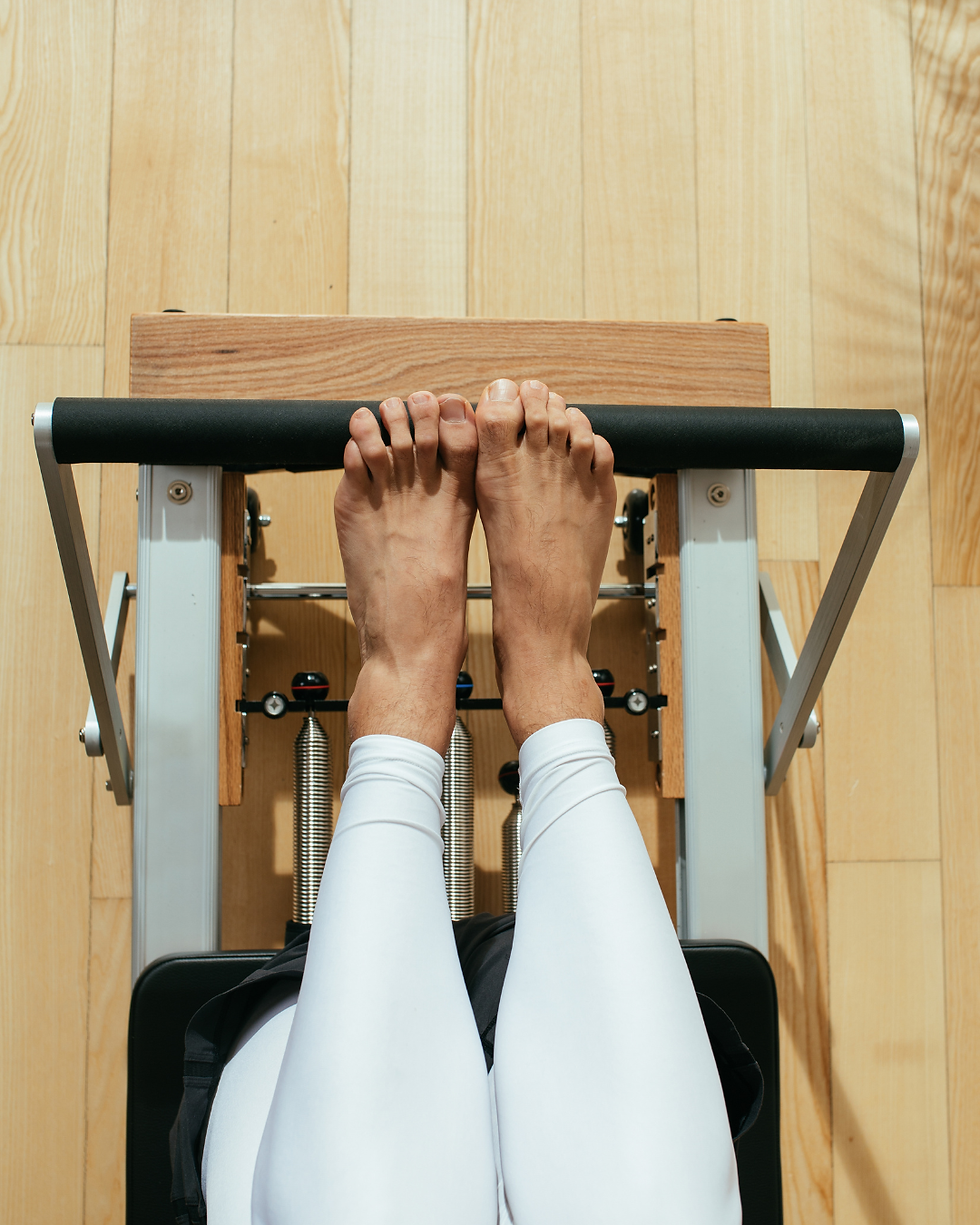
What Depression Actually Is — At the Root
Before we talk about solutions, let's talk about what is really happening. Depression is not simply a deficit of willpower or positivity. At its root, it is a physiological state one driven by a complex interaction of neurotransmitter imbalances, chronic inflammation, disrupted cortisol patterns, poor sleep, gut dysfunction, and a nervous system stuck in survival mode.
This matters, because it means that anything capable of shifting those underlying drivers has the potential to shift mood. And Pilates when done consistently and intentionally, touches almost every single one of them.
The Neurochemistry of Movement
When you move your body, your brain responds. Exercise of any kind stimulates the release of endorphins, your body's natural painkillers and mood elevators. But Pilates does something particularly interesting because of its emphasis on controlled, mindful movement.
The slow, deliberate nature of Pilates activates the parasympathetic nervous system, your rest and digest state, pulling you out of the chronic fight-or-flight that underpins so much of modern anxiety and depression. Every time you breathe intentionally through a movement sequence, you are literally downregulating your stress response.
Research published in Complementary Therapies in Medicine found that Pilates significantly reduced symptoms of depression and anxiety in participants, with improvements in mood, fatigue, and overall quality of life. Another study in the Journal of Bodywork and Movement Therapies found that even short-term Pilates practice led to measurable reductions in perceived stress and improvements in psychological wellbeing.
Cortisol, Inflammation, and the Mood Connection
Chronically elevated cortisol — the stress hormone — is one of the primary drivers of low mood, brain fog, and emotional dysregulation. It disrupts sleep, drives inflammation, depletes serotonin and dopamine, and keeps the nervous system wired and reactive.
Pilates helps regulate cortisol. The breathwork embedded in every session activates the vagus nerve — the long nerve running from your brain to your gut that governs your nervous system's ability to calm down. Stimulating the vagus nerve reduces cortisol, lowers inflammatory markers, and restores the kind of physiological balance that allows mood to stabilize. This is not a coincidence. This is physiology.
Serotonin, Dopamine, and Why You Feel Better After Class
The mood lift you feel after a Pilates class is not imaginary. Exercise increases the production and sensitivity of serotonin and dopamine — the two neurotransmitters most directly linked to mood, motivation, and emotional resilience.Pilates specifically supports serotonin production through two key mechanisms: physical movement and body-mind connection. The focused attention required — thinking about alignment, breath, and muscle engagement simultaneously — creates a meditative state that has been shown to increase serotonin activity in the brain. This is why many women describe Pilates as the one hour of the week where the noise in their head genuinely stops.
The Body Image and Self-Efficacy Factor
Depression frequently coexists with poor body image and a sense of powerlessness. One of the most underappreciated benefits of Pilates is what it does for how you feel about your body — not how it looks, but what it can do.
As strength improves, as movements that once felt impossible become accessible, as posture shifts and you stand taller, something shifts internally too. Research consistently shows that improvements in physical self-efficacy — the belief that your body is capable — translate directly into improved mood, confidence, and resilience to stress.Pilates gives you evidence that change is possible. And that evidence matters enormously when depression is whispering that nothing will ever be different.
The Hormonal Connection
For women in perimenopause and menopause, the relationship between mood and hormones is impossible to ignore. Declining oestrogen directly impacts serotonin production and receptor sensitivity — which is why mood disorders spike so dramatically during this stage of life.
Regular Pilates practice helps buffer this transition by reducing inflammation, supporting healthy cortisol patterns, improving sleep quality, and maintaining the kind of physical strength and mobility that gives women agency over their bodies at a time when so much can feel out of control.It will not replace oestrogen. But it creates the physiological environment in which your body can manage its own chemistry more effectively.
How Much Do You Need?
Research suggests that two to three sessions per week is the threshold at which mood benefits become consistent and measurable. The effects are cumulative — meaning the longer you practice, the more resilient your nervous system becomes.
That said, even a single session can produce an immediate improvement in mood. If you are in a low period, starting with one class per week and building gradually is far more powerful than waiting until you feel ready.
A Final Word
Depression is real, and it is physiological. If you are struggling, please work with a qualified professional. But know this: movement is medicine. And Pilates — with its unique combination of breath, intention, strength, and stillness — is one of the most powerful forms of it available to you.
Your nervous system is waiting to be regulated. Your brain is waiting to be supported. Your body already knows how to heal. Give it the reason. Then stay consistent long enough to see what it can do.

Book your Pilates class today and experience the pilates effect on mood!
*The information in this article is educational and does not replace advice from your doctor or a qualified healthcare professional.


Comments