
Building Glutes with Pilates

Building Glutes with Pilates: What Actually Works, and How Long It Really Takes.
"How long until I see results?" might be the single most common question in fitness, and glutes are one of the areas people ask about most. The honest answer involves patience and a little science. Here's what's actually happening in your body when you train glutes, why Pilates is a genuinely effective way to do it, and a realistic timeline for when you'll actually notice a difference.

The Real Timeline: What to Expect, Week by Week
Anyone promising dramatic glute growth in a few weeks is either selling something or got lucky with genetics. Research tracking hundreds of people through the same 12 week training program found size gains ranging from essentially nothing to a 59% increase, same program, wildly different results, almost entirely due to individual genetic variation in how people respond to training.
That said, there's a consistent, realistic pattern most people can expect:
Weeks 1 to 4. Strength gains and improved movement quality, with small or no visible change yet. This part is neurological: your brain and nervous system are learning to recruit glute muscle fibers more efficiently and fire them in better coordination. Think of it as renovation happening behind the walls before anything looks different from the curb.
Weeks 5 to 8. Modest visual changes start to appear, along with more confidence and control in your form.
Weeks 9 to 12. Visual changes become more obvious, and this is the point most people first feel like the work is "working."
Six months and beyond. This is where the bigger structural changes to the lower body show up, the point where side by side progress photos actually surprise you.
A practical tip: take a photo every four weeks in the same pose, lighting, and clothing. Week to week, changes are nearly invisible. Compared across months, the difference is often striking.

Why Pilates Is a Legitimately Effective Tool for This
Pilates has earned a reputation as a "toning" workout, but the research on what's actually happening in the muscle during Pilates work tells a more compelling story, especially when it comes to the glutes specifically.
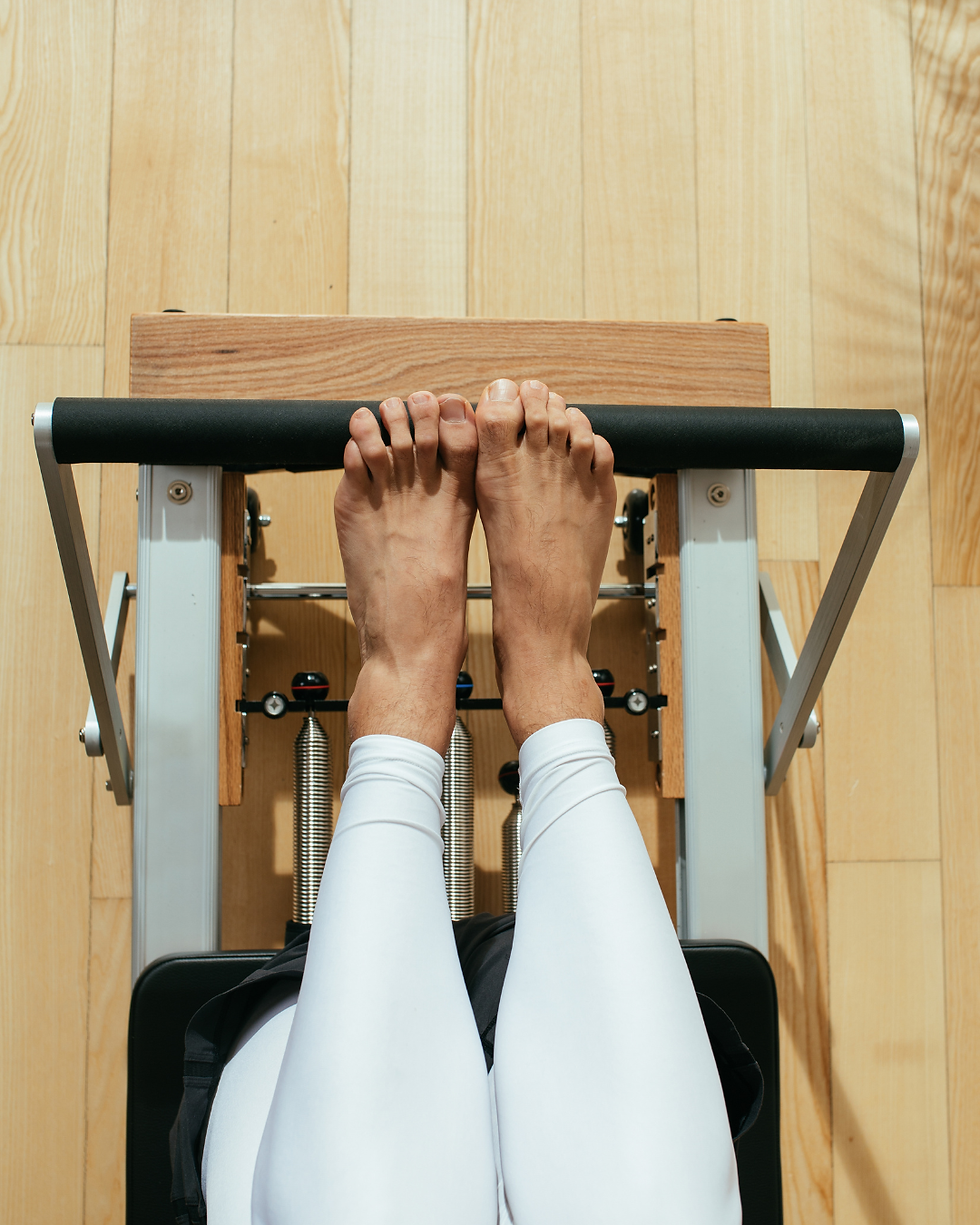
Electromyography (EMG) studies, which measure actual muscle electrical activation during exercise, have found that Pilates reformer training generates meaningful activation of the gluteal complex, often simultaneously with deep core stabilizers like the transverse abdominis and multifidus. One key finding: even a foundational movement like the reformer's footwork series activates the glutes, along with deep spinal stabilizers, at levels notably higher than the same movement performed on a stable, non-moving surface. The instability of the carriage itself is part of what makes this work: your glutes and deep stabilizers have to fire continuously to control the moving platform, not just during the "hard part" of a rep.
Separate research on Pilates reformer training found significant increases in gluteus maximus activation (measured via EMG) after just a 12 week program, alongside comparable strength gains in the surrounding hip and thigh muscles.
What this means practically: Pilates isn't just "activating" your glutes in a vague, feel-good sense, it's producing measurable, meaningful muscle engagement that overlaps significantly with what traditional glute-focused strength training targets.
Getting the Most Out of Pilates for Glute Growth
Because Pilates equipment (particularly the reformer) uses adjustable spring resistance, it's genuinely possible to apply progressive overload, the single most important driver of muscle growth in any modality, within a Pilates practice.
A few principles that matter most:
Progress your resistance over time. Just like with weights, your springs, tempo, and range of motion should evolve as you get stronger. Staying on the same beginner setting for months limits how much growth stimulus you're providing.
Prioritize the exercises that load the glutes directly. Footwork series, bridging, leg press variations, single-leg work, and hip extension movements are where the heaviest glute activation research has been documented.
Train with real effort and consistency. Two to four focused glute sessions per week, whether Pilates, traditional resistance training, or a blend of both, is a reasonable target for most people pursuing visible change.
Fuel the process. Muscle growth requires adequate protein and overall calorie intake to support tissue repair, regardless of which training method you're using.
Rest matters as much as the workout. Growth happens during recovery, not during the session itself.
Where Pilates Fits Alongside Other Training
It's worth being straightforward here: Pilates is a genuinely effective, evidence-backed way to build glute strength and activation, and a great option for people who want lower-impact training, better mind-muscle connection, or a method that also builds core and postural strength alongside the glutes. For people chasing maximum size specifically, combining Pilates with traditional heavier resistance training (like hip thrusts, squats, or deadlifts) often produces the fastest overall results, since heavier external load remains one of the most reliable ways to drive significant hypertrophy. Many people get excellent results using Pilates as their primary method, and even better results using it as a complement to other strength work.
The Takeaway
Building glutes with Pilates, traditional weight training, or a mix of both, follows the same basic biological timeline: strength improves first, in the first few weeks, while visible size takes closer to two to three months to show up meaningfully, and six months or more for the biggest transformation. Pilates offers a legitimately research-backed path to get there, particularly for people who want a joint-friendly, full-body approach that builds real, measurable glute activation along the way. The most important variable isn't the exact method, it's showing up consistently, applying progressive resistance over time, and giving your body the months it actually needs.
If you're new to exercise or managing an injury, consider working with a qualified Pilates instructor to build a program suited to your body.



Comments